Spain improves its innovation performance, but business R&D investment remains its biggest challenge
Our day by day / 20-07-2026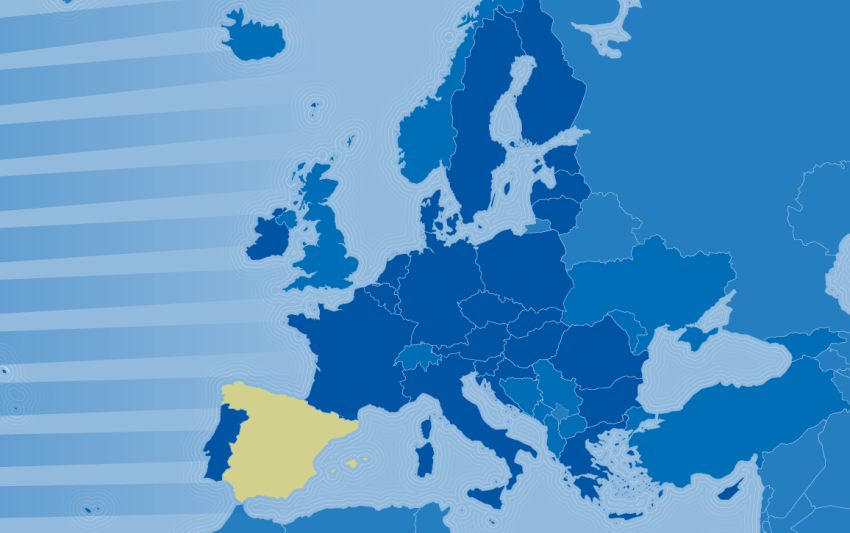
Spain ranks 14th out of the 27 EU countries in the European Innovation Scoreboard 2026, scoring 94% of the EU average, within the "Moderate Innovator" category. The country has improved by +14.1 points since 2019 and +2.9 points in the last year, a pace faster than the EU average. Its greatest strengths are sales of innovative products (2nd in the EU), digitalisation and venture capital; its main weakness is business R&D investment, at 55.2% of the EU average.
What is the European Innovation Scoreboard?
The European Innovation Scoreboard (EIS) is the European Commission's annual report comparing the innovation performance of EU Member States, based on a set of indicators grouped into four main blocks: framework conditions, investments, innovation activities and impacts.
Spain's position in the 2026 innovation ranking
Spain remains in the "Moderate Innovator" category, scoring 94% of the EU average, and ranks 14th out of 27 EU Member States (18th including neighbouring non-EU countries). The most notable finding is the trend: Spain has improved by 14.1 points since 2019 and almost 3 points in the last year alone, a growth rate higher than the EU average (11.6 points over the same period). The country has climbed two positions in the ranking since 2019.
Spain's strengths in innovation
The report highlights several areas where Spain clearly outperforms the EU average:
- Sales of innovative products new to the market: Spain's best-ranked indicator, 2nd in the EU, at 191% of the EU average.
- Resource productivity: 146% of the EU average, with 54% growth since 2019, linked to decarbonisation and energy efficiency efforts.
- Digitalisation: Spain ranks 6th in the EU on digitalisation, and 5th for the share of the population with above-basic digital skills.
The pending challenge: business R&D investment
The report also identifies Spain's main structural weaknesses in innovation, and here lies the figure that should most concern the country's business sector:
Business R&D investment in Spain stands at 0.84% of GDP in 2026, compared with an EU average of 1.49%. This places Spain at 55.2% of the European average, one of the country's weakest-performing indicators.
Other relevant weaknesses add to this picture: knowledge-intensive services exports (48.2% of the EU average, second-to-last position), employment in innovative enterprises (52.6%, 21st) and the low share of SMEs introducing product innovations (21st in the EU).
A particularly striking contrast emerges with public funding: according to CDTI, Spain is the third EU country by volume of Horizon Europe grants and receives 50% more funding per researcher than the EU average. The challenge is not so much attracting funding as converting it into sustained private investment and innovation across the business sector, particularly among SMEs.
European Commission recommendations for Spain
It sets out several policy directions directly relevant to the field of engineering:
- Raise public R&D investment to 1.25% of GDP by 2030, with well-designed tax incentives and streamlined grants.
- Strengthen collaboration between universities, research centres and businesses.
- Boost vocational education and training in STEM fields to address skills mismatches, particularly among the highest-qualified population.
Frequently Asked Questions (FAQ)
What is Spain's ranking in innovation in 2026?
Spain ranks 14th out of 27 in the European Commission's European Innovation Scoreboard 2026, scoring 94% of the EU average.
What does it mean for Spain to be a "Moderate Innovator"?
This is one of the four categories in the European Innovation Scoreboard (alongside Emerging Innovator, Moderate Innovator, Strong Innovator and Innovation Leader). It indicates that a country's innovation performance falls between 70% and 100% of the EU average; Spain stands at 94%.
What is Spain's main weakness in innovation?
Business R&D investment, at 0.84% of GDP compared with the EU average of 1.49% (55.2% of the European level), is the worst-ranked indicator, alongside knowledge-intensive services exports and employment in innovative enterprises.
What are Spain's strengths according to this report?
Sales of innovative products new to the market (2nd position in the EU), resource productivity, venture capital and digitalisation, with Spain ranking among the EU's top six on this last indicator.
What is the European Innovation Scoreboard?
It is the European Commission's annual report that measures and compares the innovation performance of EU Member States based on indicators covering human resources, investment, innovation activity and economic impact.
Noticias recientes
-

How will recycled content in batteries be calculated? The JRC lays the groundwork for the future EU methodology
Our day by day / 04-08-2026 -

University of Salamanca presents the progress of the Centre of Excellence for Strategic Mineral Resources to ICAMCyL Foundation
Our day by day / 22-07-2026 -

Spain improves its innovation performance, but business R&D investment remains its biggest challenge
Our day by day / 20-07-2026